Measuring Change
Since 2018, Waste Matters Foundation has transformed Elephanta Island through systemic action. Here's what we've accomplished, and what we're building toward.
Impact at a Glance
Removed
Offset
Drives
IEC Activities
on Island
Sterilized
Menstrual Hygiene
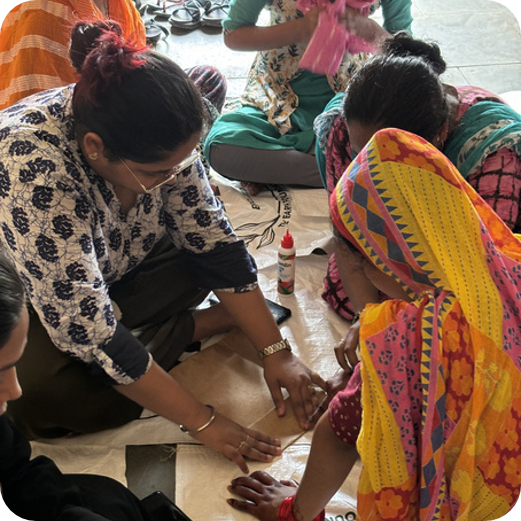
What These Numbers Mean
Every statistic above represents real change on the ground from waste diverted from landfills to lives directly impacted by our community programmes.
Our approach combines infrastructure (the MRF, dustbins, toilet block) with grassroots engagement (training, awareness, and partnership). The result: a holistic transformation that addresses the root causes of the waste crisis.
From Crisis to Model
When Waste Matters Foundation launched in 2018, Elephanta Island faced an unprecedented waste crisis. Unchecked tourism and inadequate infrastructure meant plastic and debris littered the island and contaminated surrounding waters. Today, through systemic intervention, the island has become a beacon of responsible heritage conservation.
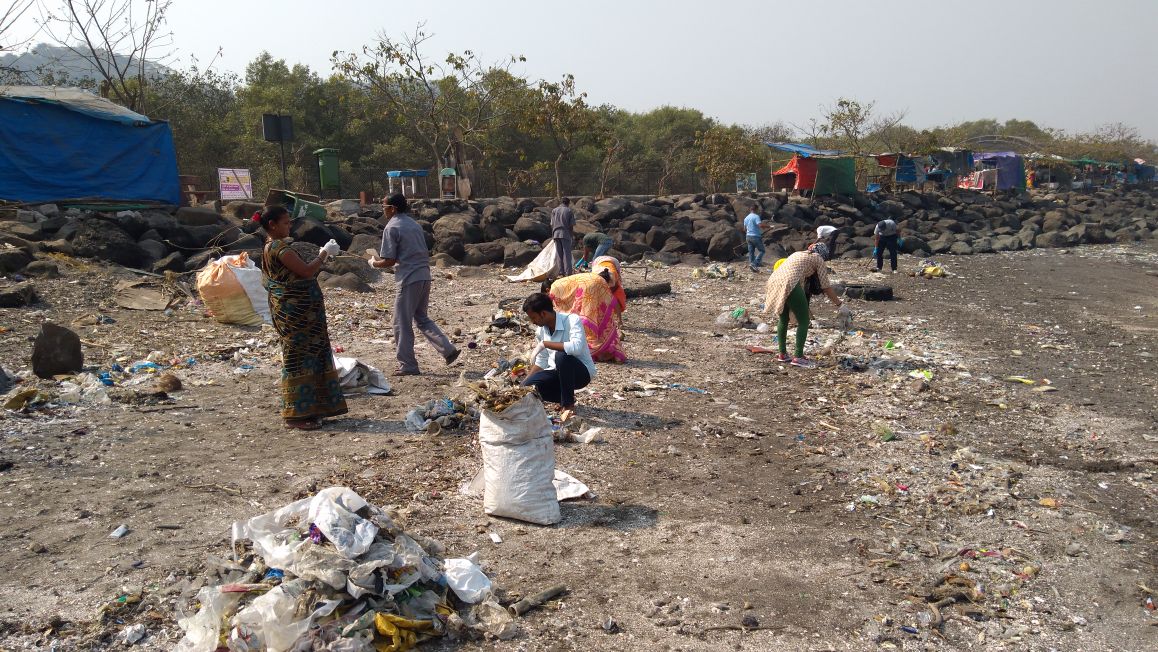
The Challenge
Unmanaged waste crisis: Daily tourism influx with no adequate waste collection systems created environmental degradation and a negative image of India's heritage site.
- No waste segregation at source
- Inadequate sanitation infrastructure
- Marine ecosystem under threat
- Limited community awareness
- No stakeholder coordination
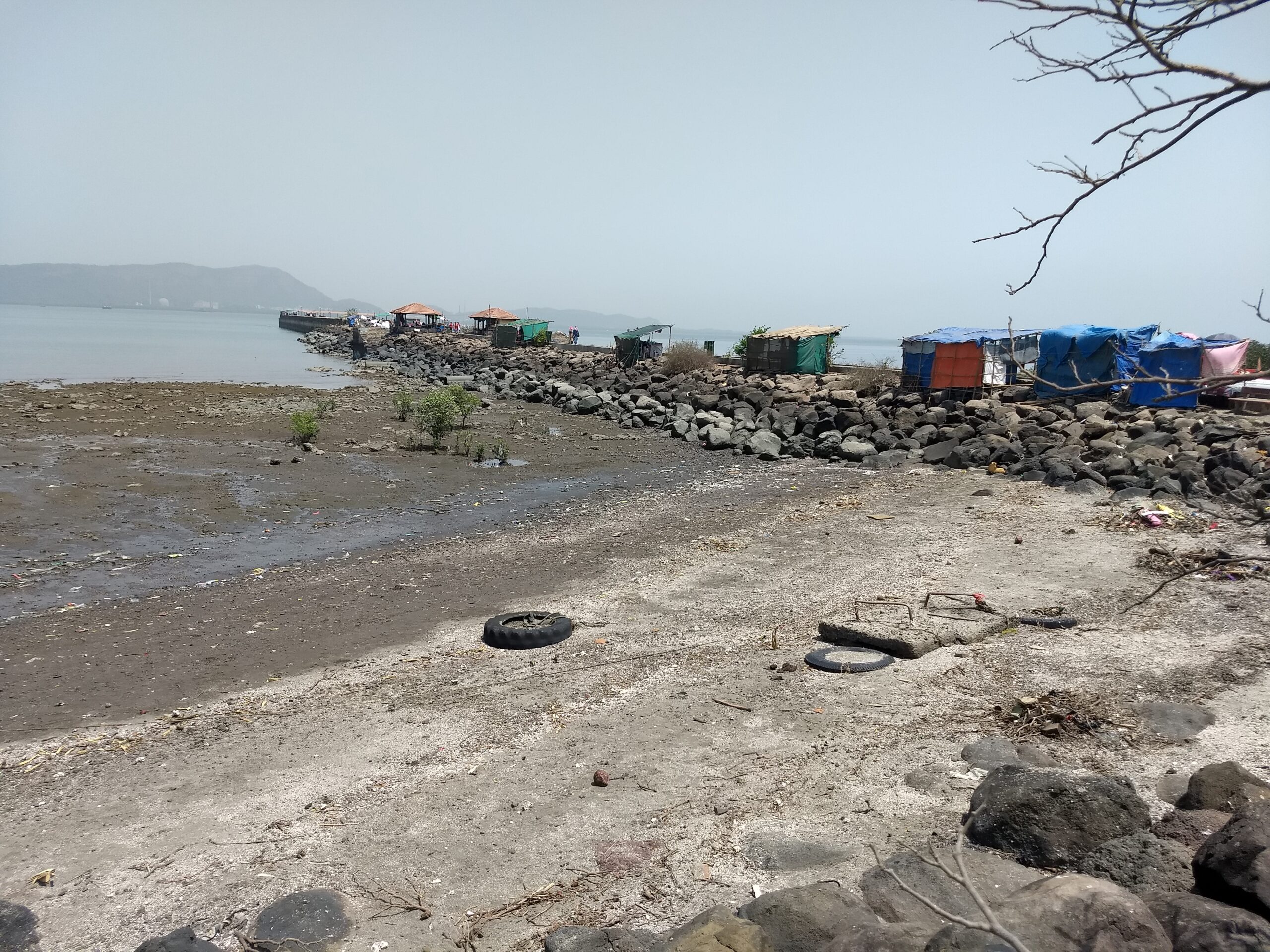
The Solution
Systemic island revival: A multi-stakeholder approach combining infrastructure, community engagement, and ecological restoration has transformed Elephanta into a model sustainable heritage site.
- Island's first Material Recovery Facility (MRF) operational
- 55 dustbins with 100% waste segregation
- Public sanitation infrastructure built
- 600+ residents engaged and trained
- All stakeholders mobilized around shared responsibility
Vision 2030
Waste Matters Foundation envisions becoming the central coordinating body for Elephanta Island's holistic development. By 2030, we aim to achieve:
A fully operational, self-sustained Material Recovery Facility processing all island waste with zero mainland dependence.
Fully restored natural ecosystems with documented recovery of marine and terrestrial species populations.
A replicable framework for heritage site management that other Indian islands can adopt and implement.
Diversified, climate-resilient income streams for 700–800 residents beyond tourism alone.
Revival of the local school and establishment of a community pharmacy serving island residents.
Active mitigation of human-animal conflict and safeguarding of Elephanta's 1,500-year-old cultural legacy.